Packhorse Season: Big Green Crays on the Move
October and November are prime months for spotting giant packhorse crayfish around the Coromandel, particularly near the Mercury and Alderman Islands. With these impressive green crayfish moving into shallower waters, divers may find them on rocky reefs, sandy seabeds and surprisingly close to shore.
October and November are prime months for encountering packhorse crayfish around the Coromandel, with these impressive crustaceans turning up on rocky reefs, sandy bottoms and sometimes surprisingly close to shore.
As spring gives way to summer, one of New Zealand's largest and most impressive crustaceans is on the move. Packhorse crayfish are known to move into shallower coastal waters during spring, with October and November offering exciting opportunities for Coromandel divers.
Around the Mercury and Alderman Islands, these giant green crayfish can sometimes be found in surprising places, tucked against rocky reefs or even wandering openly across sandy seabeds.
While most divers associate crayfish with rocky ledges and underwater crevices, packhorse crayfish are also regularly encountered out in the open. Their seasonal movements can make them particularly noticeable during spring, when large individuals may appear in relatively shallow water.
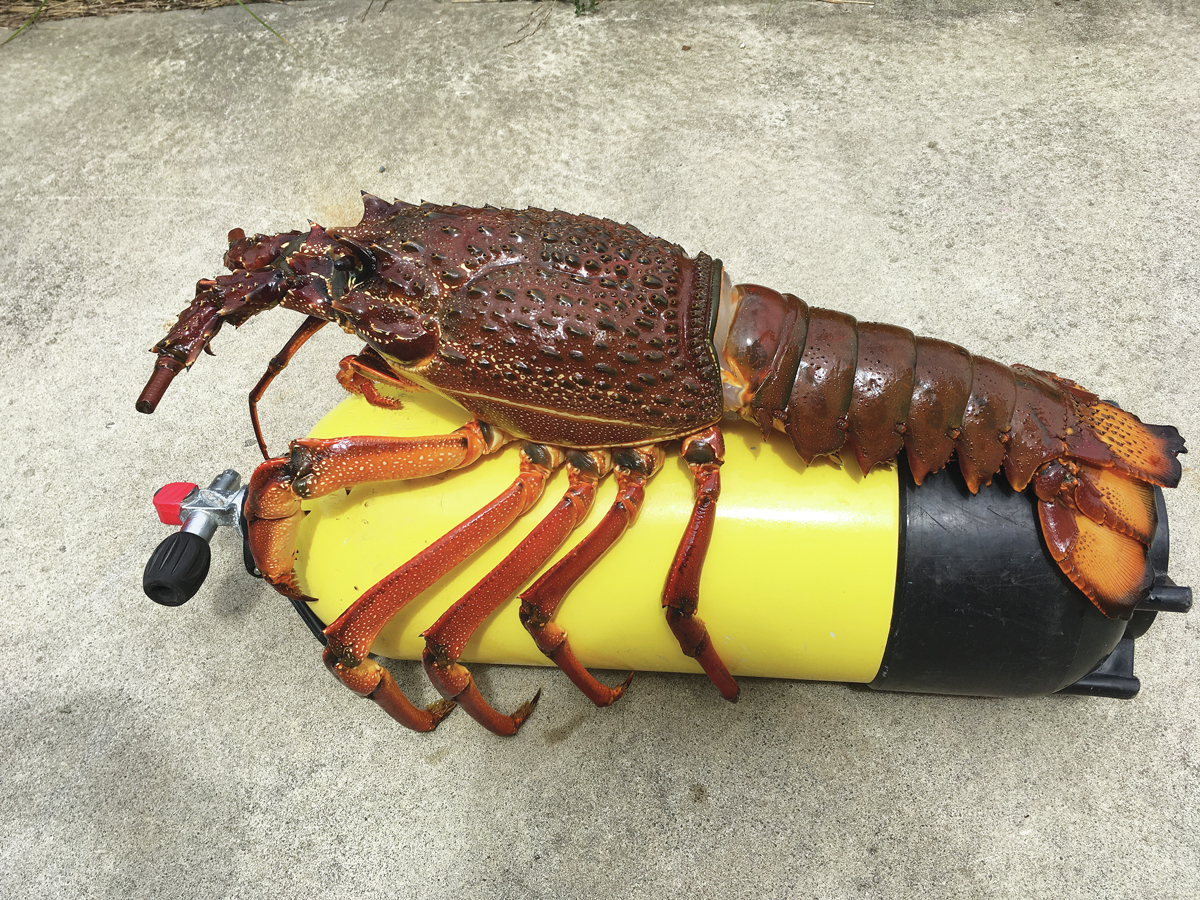
A Giant Among Crayfish
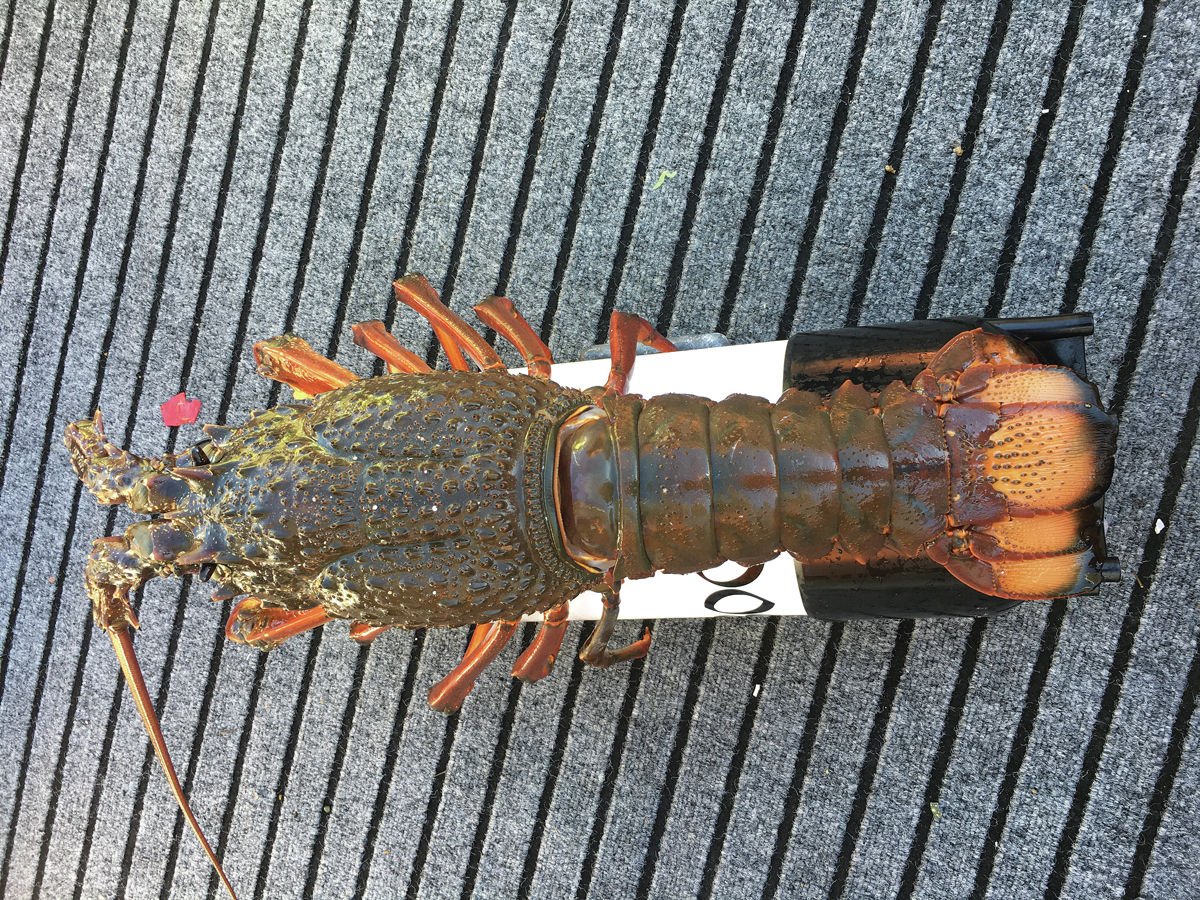
The packhorse crayfish (Sagmariasus verreauxi) is New Zealand's largest rock lobster species, with exceptional specimens exceeding 10kg.
Unlike the familiar reddish-brown red rock lobster, packhorse crayfish are generally recognised by their greenish colouring and impressive size. They are most commonly associated with northern New Zealand waters, particularly the northeastern coastline of the North Island.
Research has identified seasonal movements associated with moulting and reproduction, with large packhorse crayfish moving into shallower coastal ocean habitats during spring.
These movements may help explain why divers sometimes encounter groups of packhorse crayfish around offshore islands during October and November.
However, increased sightings don't necessarily mean populations are growing. Seasonal movements can simply make these crayfish more visible at certain times of the year.

Where to Find Them
For divers exploring the Coromandel coastline, depths of around 10–20 metres can be a useful starting point during spring, although packhorse crayfish occur across a much wider depth range.
Rocky reefs, ledges and areas of broken ground are worth exploring, but don't overlook the sandy areas surrounding reef systems.
Unlike red crayfish, which are frequently tucked away in cracks and crevices, packhorse crayfish can sometimes be spotted walking openly across the seabed.
Areas around offshore islands where water movement is strong can also be worth investigating, particularly where rocky structure meets sand.
However, strong currents can make diving challenging. Planning dives around slack water may provide more manageable conditions, although divers should remember that slack water doesn't always coincide exactly with high or low tide.
Another interesting feature of the spring season is just how shallow these impressive crustaceans can sometimes be found.
While many divers concentrate on deeper reef systems, it's worth keeping an eye on the shallows. Large packhorse crayfish have been observed surprisingly close to shore, sometimes in water shallow enough to be spotted from the surface.
Know the Rules
Spring is an important period in the packhorse crayfish's moulting and reproductive cycle.
Like other rock lobsters, packhorse crayfish must shed their hard outer shell to grow. Immediately after moulting, their new shell remains soft until it hardens.
Soft-shell crayfish and females carrying external eggs are protected and must not be taken.
Under the recreational fishing rules applying to the Coromandel, the daily limit for packhorse crayfish is three per fisher, with minimum tail widths of 84mm for males and 90mm for females.
Divers must also be aware of marine reserves, high protection areas and other local restrictions where taking crayfish may be prohibited.
Always check the latest Fisheries New Zealand regulations and marine protection boundaries before heading out.
Whether you're after a legal crayfish for the table or simply enjoy exploring beneath the surface, the seasonal appearance of packhorse crayfish is another highlight of diving around the Coromandel.