Light Jigging Basics for Kiwi Anglers
Light jigging is opening up a whole new world of fishing for Kiwi anglers, Kaz from Ocean's Legacy shares expert advice on choosing the right gear, mastering simple techniques and finding fish in New Zealand waters.

By Kaz Otsubo - Ocean's Legacy NZ
Did you know there are heaps more options than just mechanical jigging? Modern lure fishing offers many distinct styles, including micro-jigging, slow pitch jigging, light jigging, deepwater jigging, bluefin tuna jigging and shore jigging. In this article, we cover light jigging basics for Kiwi anglers.
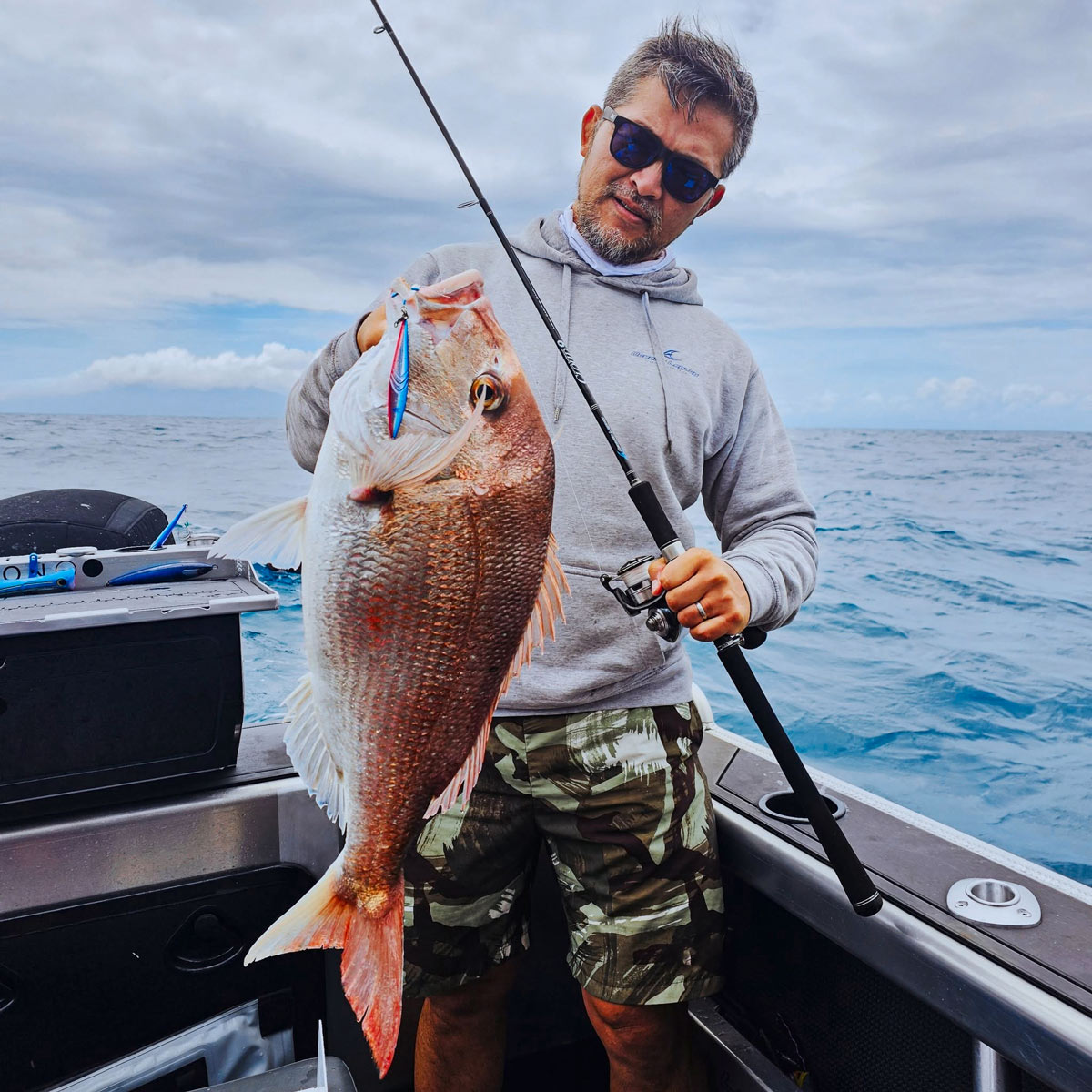
Mention jigging to most Kiwi anglers and the immediate image is physical punishment. For decades, the technique in New Zealand meant 300g knife jigs, heavy reels and exhausting cranking over deep pins. While deadly on trophy kingfish, that heavy style created a misconception that all jigging is backbreaking work reserved for anglers chasing monsters.
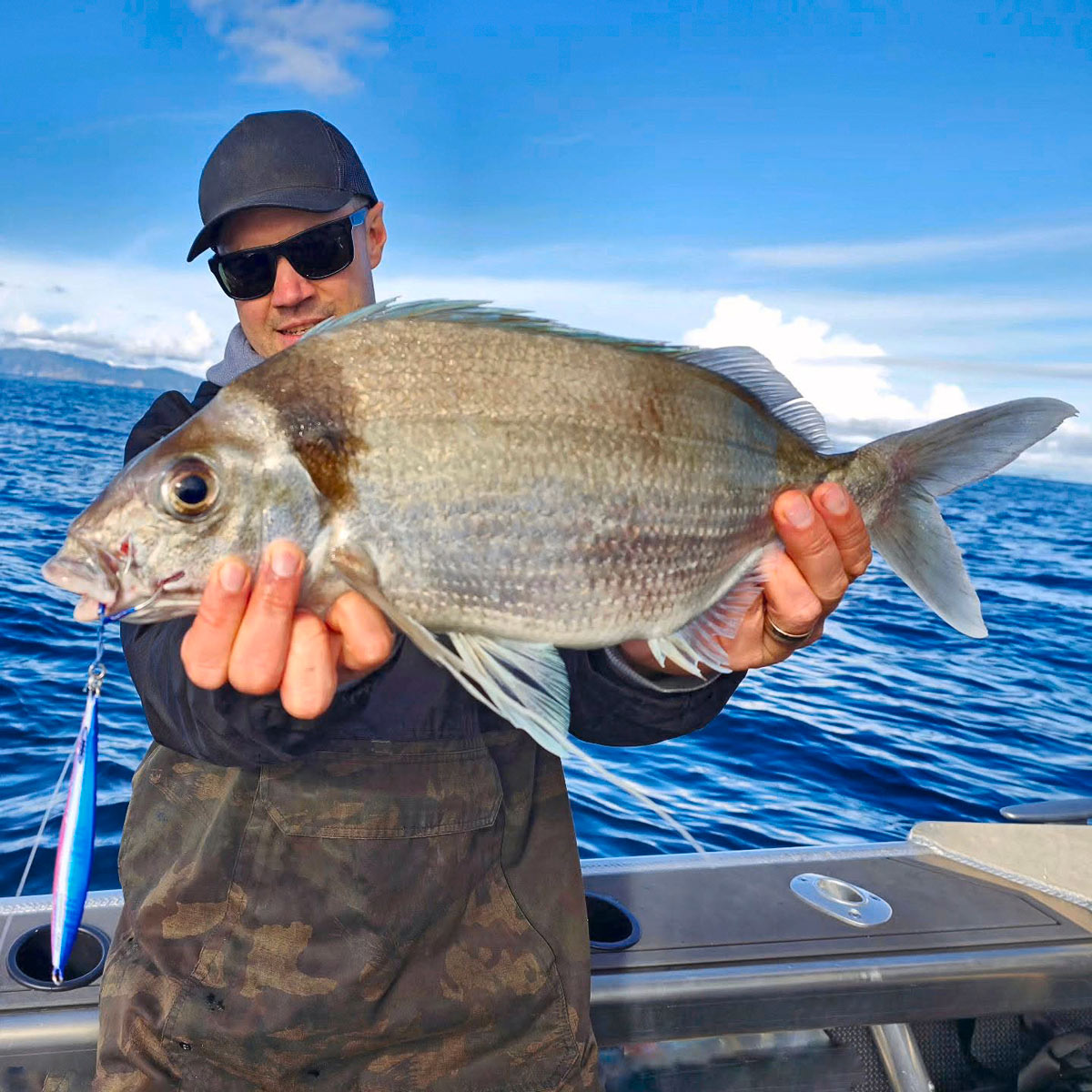
Light jigging flips that script entirely. By scaling down tackle to jigs between approximately 40g–120g, this finesse discipline transforms inshore fishing across New Zealand. It delivers an active, visual way to target common species, including snapper, trevally, kingfish, gurnard, blue cod, John Dory and kahawai, without requiring gym level stamina.
Understanding the method
The concept of light jigging centres on matching the hatch. While mechanical or slow pitch jigging often rely on 150g–400g heavy lures, light jigging excels when fish feed on smaller bait. It also sits between slow jigging and micro-jigging.
Sliders, kaburas and inchikus rely on soft skirts and slow winding, while micro-jigging uses tiny metals under 30g that struggle in open water currents.
Light jigging focuses on compact metal lures worked with deliberate rod actions. The rod tip loads and recovers, pitching the jig upward before letting it flutter horizontally on the drop. Because our coastal waters are packed with juvenile baitfish like anchovies, pilchards and small squid, these flashing lures match local bait perfectly.
Why a specialised rod is essential
The most common mistake Kiwi anglers make is grabbing whatever rod sits in the boat rocket launcher. New Zealanders love versatility, so it is tempting to tie a 60g metal onto a heavy bait rod, a stiff mechanical jigging rod, or a bendy kabura (slow jigging) rod. While these are fantastic tools for their intended jobs, using them for light jigging destroys lure action.
Typical New Zealand bait rods are either too bendy on the tip, too stiff on the backbone, or both. Mechanical jigging rods are short and stiff. Neither trait works for animating a light jig. These rods are built for power lifting fish or ripping heavy gear upward fast.
At the other extreme, rods for kaburas and sliders (slow jigging) are full parabolic noodles with blanks deliberately soft throughout so snapper chew skirts without resistance. If you try to light jig with a slow jigging rod, the blank collapses. When you lift the rod, soft graphite absorbs your effort. The rod bends in half, but the jig barely moves, losing the recoil needed to catapult the metal into a flutter.
The engineering of a true light jigging blank
A dedicated light jigging rod is built around spring recoil and kinetic transfer:
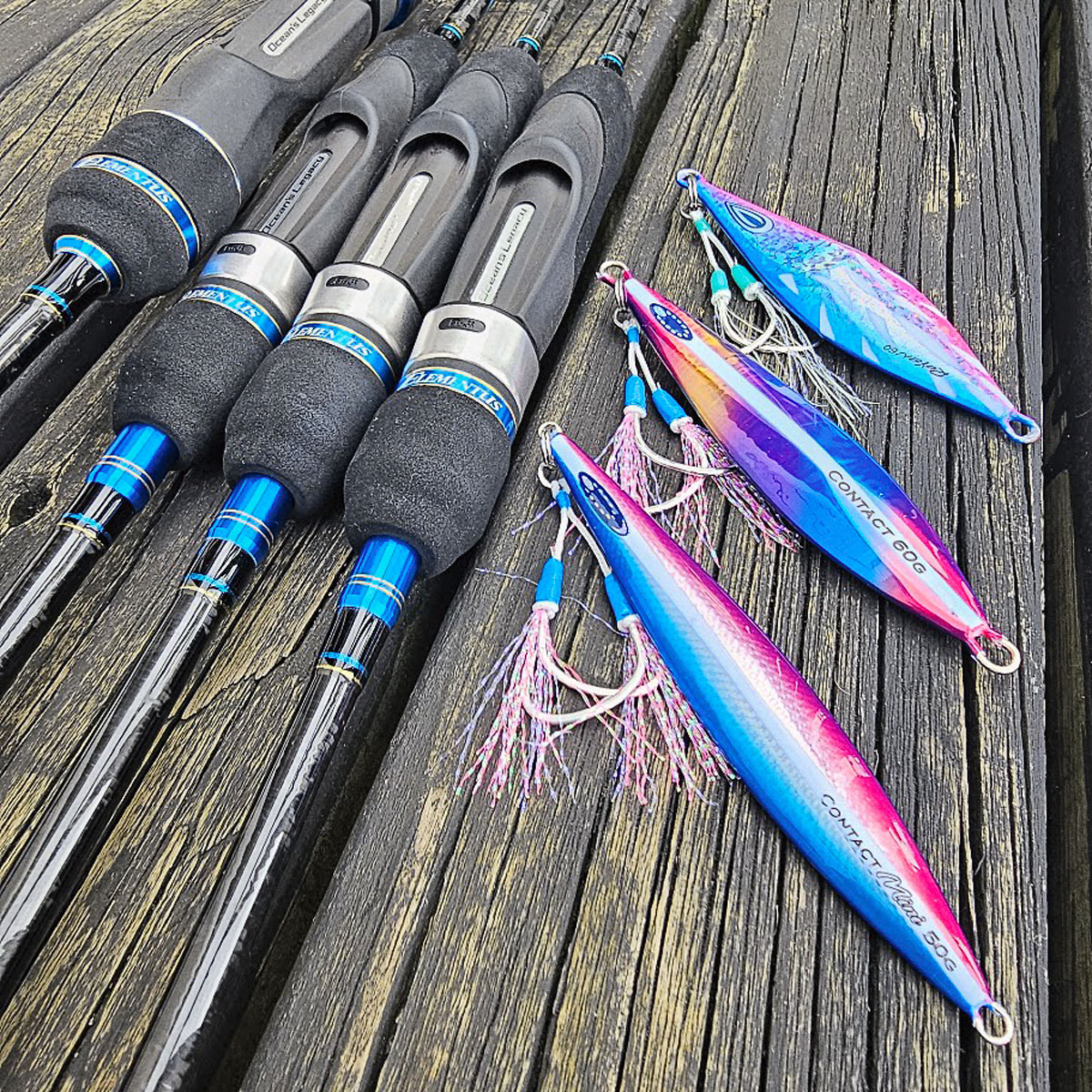
- Hollow core blank is a must: A hollow core blank, unlike a solid core blank, provides lighter weight and a sensitive tip essential for technical lure fishing. Hollow core rods work jigs properly all day without fatigue. Solid core rods lift dead weight well, but feel clumsy for working a jig. The Ocean’s Legacy Slow Element, Elementus, Origin and Solist series of rods are all hollow core blanks featuring a strong backbone section not seen in ordinary rods. They deliver a perfect hybrid solution with the key features of hollow core sensitivity and solid core power.
- Recoil and pitch: A genuine light jigging blank loads under the specific weight of the jig, typically between 40g–120g, and snaps back crisply. When you pitch the rod upward, the blank flexes and rapidly uncoils. That mechanical spring shoots the jig upward, providing the slack line required for the metal to kick sideways and flutter freely. The blank does the work, not your arms.
- Shock absorption on light braid: Because light jigging relies on thin PE 0.8 to PE 1.5 braid and fine wire assist hooks, there is zero stretch in the mainline. A specialised rod transitions into a progressive curve when fighting a fish, acting as a shock absorber. When a solid snapper thumps hard or a kingfish surges, that curve protects the hook hold and stops the fine leader from popping.
- Ergonomics and grip length: Specialised light jigging rods feature extended rear split grips designed to tuck firmly under your forearm or armpit. This anchor point stabilises the rod against your torso, letting you generate an effortless pitching stroke over long sessions.
- Tangle-free guide layout: Working a slack line creates loose loops of braid near the tip. Quality light jigging rods utilise small spiral or low-profile guides positioned close to the blank. These setups shed line tangles automatically as the blank loads, preventing tip wraps when a fish strikes on the fall.
Reels, braid and rigging
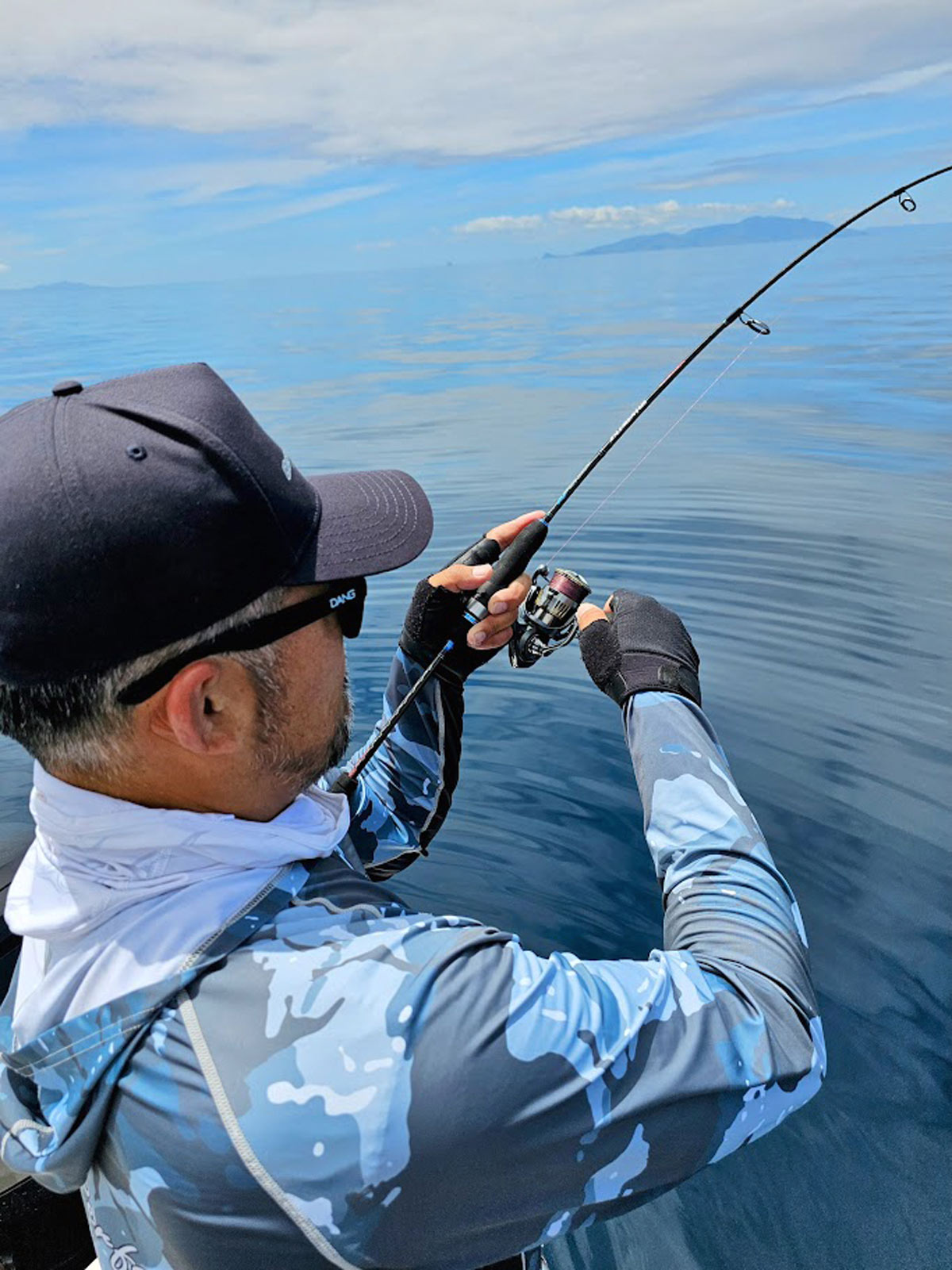
Pair your rod with a 1,000 to 1,500 overhead reel or baitcaster for direct vertical control on the drop, or a 2,500 to 4,000 size spin reel if you like casting ahead of the drift to cover more ground. A thin line is mandatory. Stick strictly to PE 0.8 to PE 1.5 (approximately 16–30lb) braid tied to 2 metres of 20–40lb fluorocarbon leader with an FG or PR knot.
Heavy single assist hooks or treble hooks have no place here. Rig twin assist hooks off a solid ring at the top eye of the lure. Lightweight assist hooks allow the jig to swim freely, and the flexible cord gives fish zero leverage during violent headshakes while pinning them securely in the jaw hinge.
For lure shapes, both centre weighted and rear weighted options are great (typically around 40g–120g sizes). Centre weighted jigs produce maximum sideways flutter and hang time on the drop. Rear weighted jigs cut through current fast for mechanical jigging actions and hold a clean vertical line when drift speeds increase. Ocean's Legacy Hybrid Contact and Long Contact jigs work both upward on mechanical retrieve and downward on slow pitch flutter, while Roven Slow Style jigs offer dedicated centre weighted flutter action.
Mastering techniques in the water column
Working metal jigs is the most exciting and dynamic part of light jigging. Once your lure reaches the bottom or your target mark on the sounder, you become the conductor controlling the action. There is no single retrieve that works all day; varying your cadence unlocks the bite.
- The simple retrieve (and pause): Slowly retrieve all the way through your target water column and pause from time to time. This simple action of the jig triggers the bite easily.
- The fast mechanical dart: Quicken your pace when pelagic fish like kingfish or kahawai hold mid-water. Use short upward rod strokes with one fast reel turn per pitch to imitate fleeing baitfish. After four or five quick pitches, pause the lure for two seconds. Kingfish trailing the lure often smash it the moment it stops.
- The lift, wind and follow: Gently raise the rod high to lift the lure, make a half turn of the reel handle, and drop the rod slowly by following the slack line as the metal jig falls. This subtle action mimics a wounded baitfish or an easy meal for all the species you can think of.
- Reel only action: On a high recoil rod, you can work the jig using only sharp quarter or half turns of the reel handle without lifting your arms. The rod tip loads and snaps automatically, keeping the lure dancing right in the strike zone.
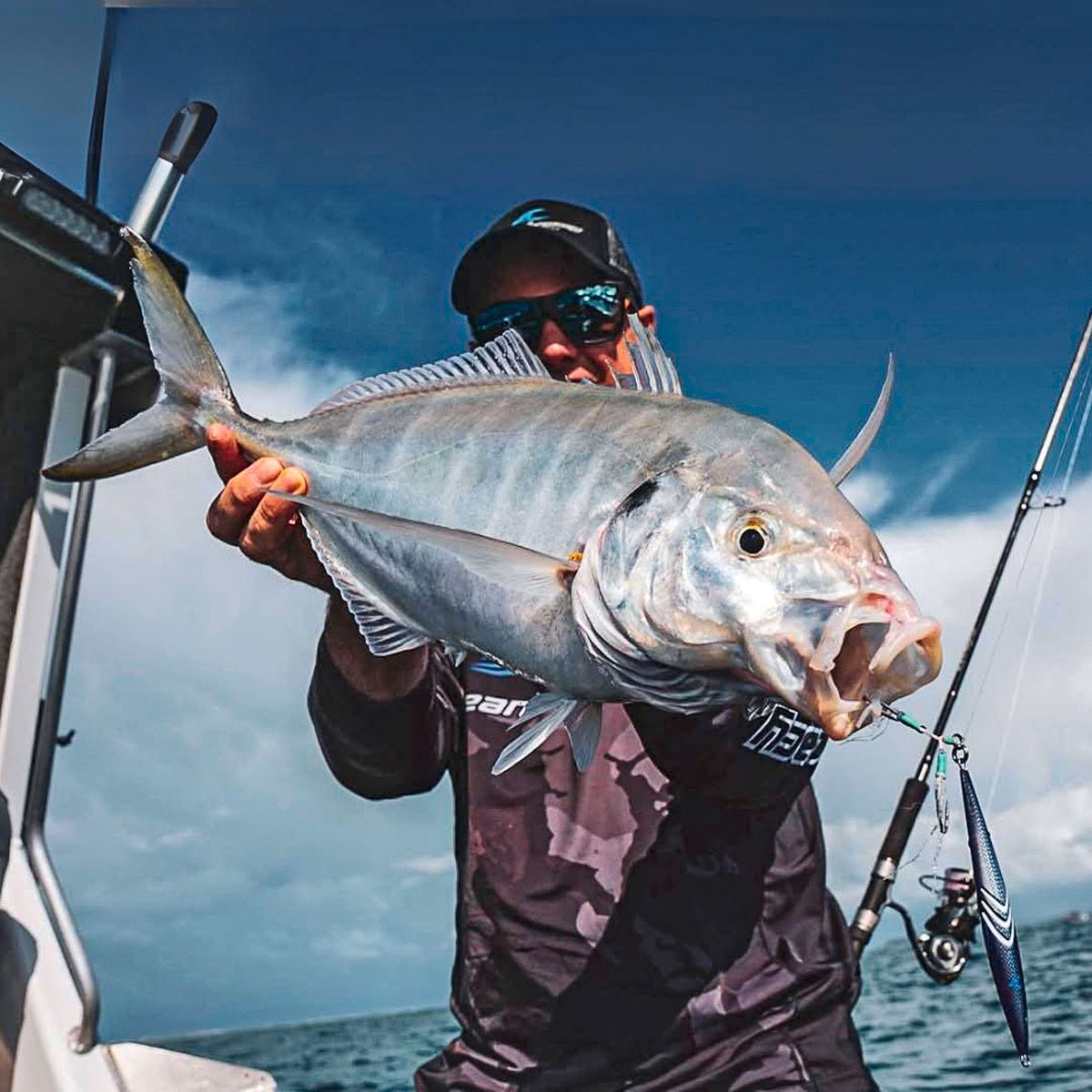
Reading inshore structure: where to light jig
Light jigging brings high-tech precision down to everyday inshore fishing right across New Zealand, excelling in depths between 10100 metres. Matching your lure weight and boat drift to the underlying structure is the key to consistent action.
- Open water workups and mud basins (20–50 metres): When workups of seabirds and marine mammals concentrate baitfish in open water, drifting around the edges with centre weighted jigs produces snapper, kahawai and kingfish feeding underneath. Over flat mud grounds away from surface action, slow pitching 2 metres off the bottom consistently outfishes stationary bait.
- Tidal passes and high current channels (25–55 metres): Passages with strong tidal movement flowing over sand plateaus and broken reefs concentrate bait and predators alike. On gentle drifts, flutter jigs tempt cruising fish. When the current surges during mid-tide, stepping up to a heavier weighted jig keeps your presentation vertical.
- Murky coastal flats and surf belts (30–60 metres): Extensive sandy flats and patchy foul subject to coastal swell can suffer from reduced underwater visibility, making high visibility pink and glow finishes essential. The wide flutter of centre weighted jigs creates vibrations that predators track easily through cloudy water.
- Steep rock pins and deep foul (3090 metres): Fierce currents and steep underwater topography require careful boat control. Dropping 100g–120g streamlined jigs down steep pins and weed edges entices explosive strikes from kingfish and sometimes hapuka without the physical strain of heavy gear.
Once you feel the kinetic snap of a purpose-built rod and watch a fish intercept a fluttering piece of metal on slack line, you will never look at heavy tackle the same way again.