


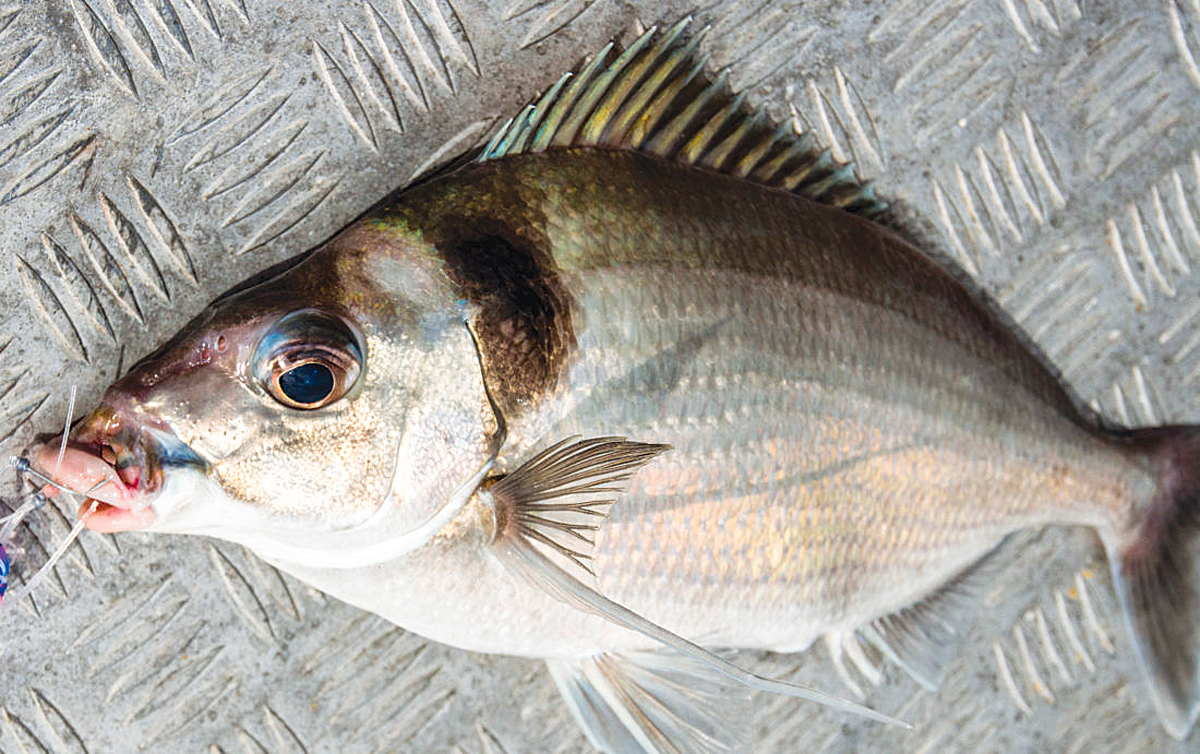
Tarakihi decision falls short
New catch limits for tarakihi have drawn criticism, with concerns that a 20 percent reduction in east coast commercial catch limits will not be enough to rebuild the depleted stock. With recreational bag limits also halved nationwide, questions remain over whether the latest measures go far enough to restore tarakihi to healthy and abundant levels.
We’re disappointed that Oceans and Fisheries Minister Shane Jones has sided with commercial fishing interests in setting new catch limits for tarakihi.
The east coast tarakihi stock, which includes the Coromandel, has collapsed. Yet the Minister has kept the fishery open. Instead of a closure, he has cut east coast commercial catch limits by just 20 percent and halved the amateur daily bag limit nationwide.
The cuts to commercial catch limits aren’t enough to let tarakihi recover to healthy and abundant levels within the foreseeable future. And there are already rumblings that this decision may be heading back to court.
Twenty years of warnings
The depletion of our treasured tarakihi didn’t happen overnight. Official estimates show east coast tarakihi have been depleted and in need of an effective rebuild plan since 2005.
Since the first “rebuild plan” began in 2017, mature tarakihi abundance on the east coast has collapsed from around 18 percent to 7.7 percent of their estimated original level. Nine years on, officials have allowed tarakihi to be driven to the brink.

Caught in the same net
Tarakihi share east coast waters with snapper and trevally. From October, the Minister increased the commercial catch limit for snapper and trevally in the waters between Hawke’s Bay and Wellington, by 64 and 94 percent respectively. Having opened the door to that extra trawl effort, the Minister left himself little room to make the deep tarakihi cuts the public demanded.
This is the fundamental flaw with bulk, non-selective fishing methods. Decisions on one species are held hostage by another. It makes the case for moving to more selective methods, such as longlining, more obvious and more urgent. Until that happens, tarakihi won't get the break they so badly deserve.
The public pays the price
We all have a part to play in restoring fish stocks. That’s why our July submission supported a lower recreational bag limit for tarakihi, on the condition that the Minister closed the east coast tarakihi fishery, or reduced commercial catch limits by 78 percent.
Instead, the Minister halved our bag limit and only trimmed commercial catch, which removes most of the tarakihi taken from our waters every year. Industrial interests argued for a 20 percent reduction – the Minister has bowed to their demands.
Once again, the public pays for years of neglect from officials. The loss of tarakihi from our waters also means another Kiwi fish and chip shop favourite may soon be off the menu.
The Minister has trumpeted the commercial catch reductions as a balance between sustainability and utilisation. In reality, the public are being punished for decades of overfishing and a ‘hands off’ approach by officials.
Decision-making over time that only complies with commercial demands, even when the evidence requires a different decision, is classed as regulatory capture. Not a new phenomenon, but a precarious process that may well be challenged by parties interested in restoring tarakihi to their functional place in the marine ecosystem.
.jpg)
.jpg)


