Dogtooth Dreams in Rarotonga
Few fish fight harder than a dogtooth tuna. We catch up with Into the Blue Rarotonga to learn what makes these powerful reef predators so addictive to target.
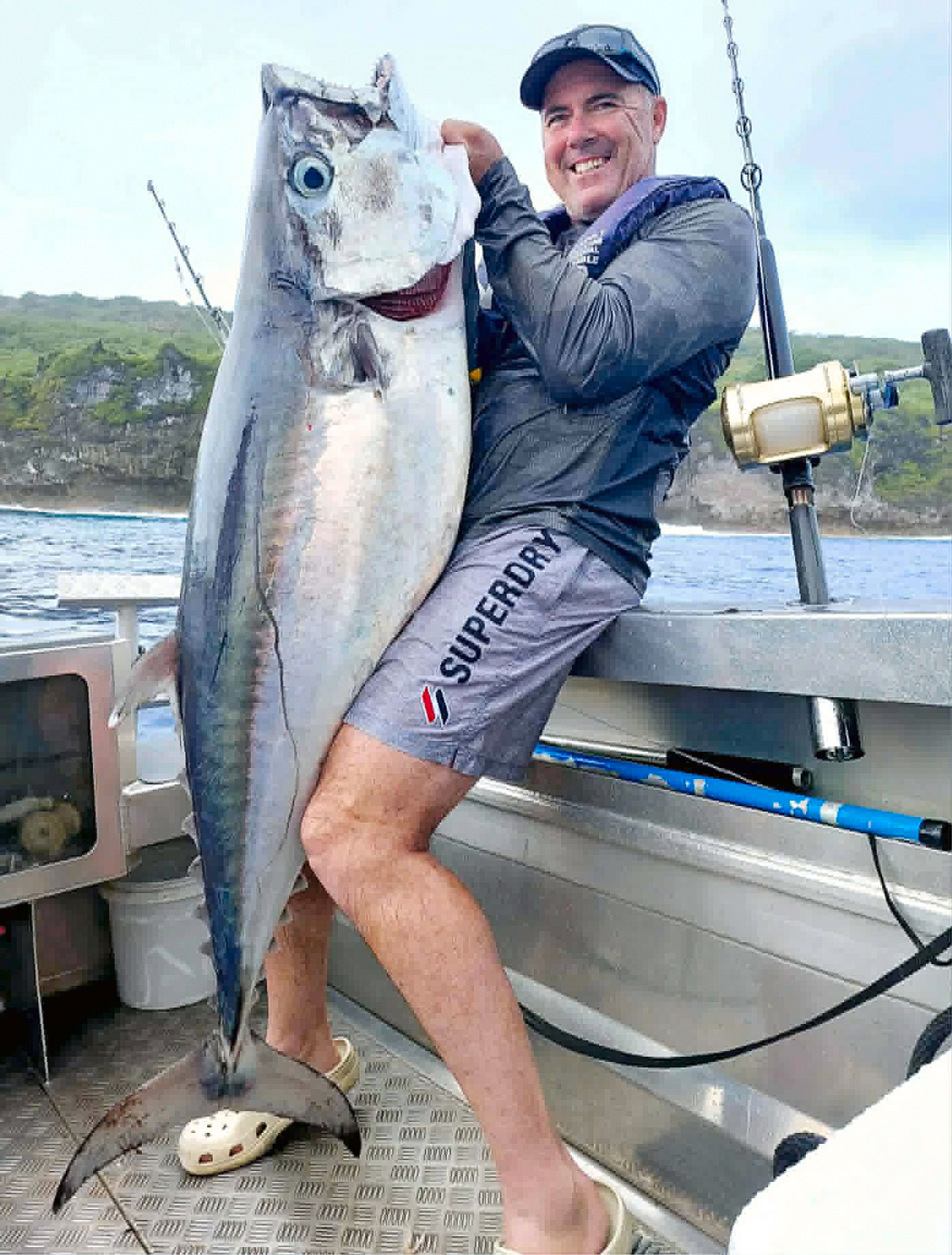
For many offshore anglers, few fish inspire as much respect as the mighty dogtooth tuna. Renowned for their blistering first run, brute strength and ability to disappear into the reef within seconds, they're widely regarded as one of the toughest fish in the ocean to consistently land.
According to Into the Blue Rarotonga Charters, the island offers one of the best opportunities in the South Pacific to experience this incredible fishery.
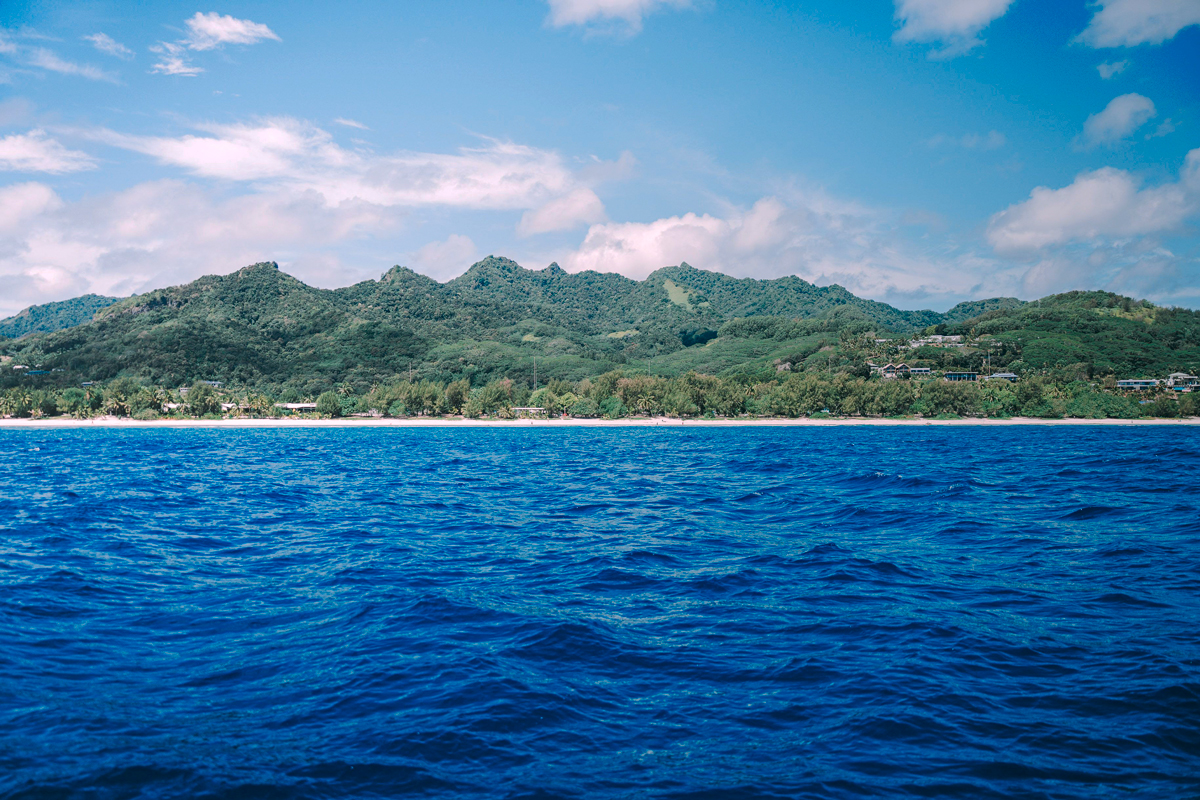
One of Rarotonga's greatest advantages is just how quickly anglers can reach productive water. Within minutes of leaving the harbour, boats are fishing steep volcanic drop-offs that plunge into hundreds, then thousands, of metres. These underwater cliffs, pinnacles and rocky reef systems create the perfect habitat for dogtooth tuna, with strong currents continually pushing baitfish over the structure.
Unlike many pelagic species that roam open water, dogtooth spend much of their time holding close to the reef. They ambush bait before immediately diving back towards cover, making the first few seconds after hook-up absolutely critical.
Into the Blue says many anglers underestimate just how hard these fish fight.
"They're a completely different challenge. Yellowfin usually fight in open water, marlin make long runs and spectacular jumps, while giant trevally hit incredibly hard around shallow structure. Dogtooth combine the brute strength of a giant tuna with the reef-smarts of a GT, and their first run is incredibly difficult to stop."
The charter has spent the past few years learning the local reefs, currents and seasonal movements around Rarotonga while targeting a range of species including marlin, yellowfin tuna, wahoo and giant trevally. However, dogtooth tuna have quickly become one of their favourite
species to chase.
Most fish landed around Rarotonga weigh between 15kg and 40kg, although fish over 50kg are always a realistic possibility. Into the Blue's biggest landed dogtooth sits around the 60kg mark, although they've hooked much larger fish that couldn't be stopped before reaching the reef. The current Cook Islands Game Fishing Club record stands at an impressive 84kg.
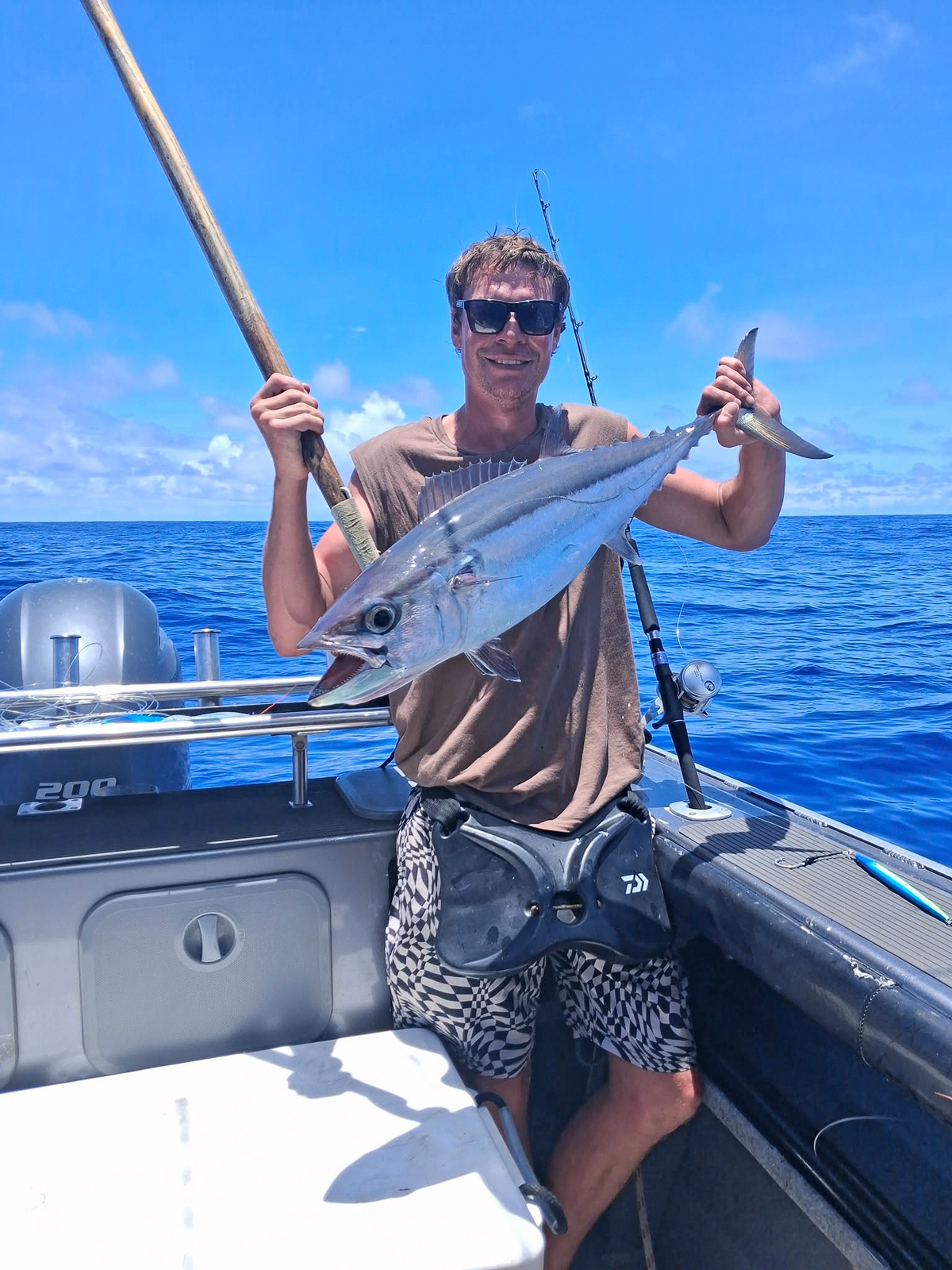
While dogtooth can be caught throughout much of the year, the warmer months generally provide the most consistent fishing. Current strength often has just as much influence as the season itself, with strong water movement concentrating baitfish over the reef and triggering feeding activity.
Vertical jigging remains the most productive and exciting technique, allowing anglers to present jigs right through the strike zone where dogtooth spend much of their time. Live baiting can also be extremely effective when conditions suit, while trolling occasionally produces dogtooth but is generally considered more of a bonus than a dedicated technique.
.jpg)
Heavy tackle is essential. Into the Blue recommends quality PE6–PE8 jigging rods matched with powerful overhead reels capable of producing at least 20kg of smooth drag, along with heavy braid and substantial fluorocarbon leaders.
"This isn't a fish where you can afford to be undergunned."
Perhaps the biggest mistake anglers make is being too cautious after hook-up.
"The first 10–20 seconds determine whether you land the fish or lose it. If you allow a dogtooth even a small amount of line, it'll often reach the reef where it's almost impossible to recover."
Success often begins before the jig even hits the water. The crew pays close attention to sounder marks, bait schools, current lines and bird activity, knowing these signs often indicate predators won't be far away.
Although dogtooth are the main attraction, anglers regularly encounter yellowfin tuna, giant trevally, black jack trevally, amberjack, rainbow runner and a variety of reef species. Depending on the season, wahoo and marlin can also make an appearance while travelling to and from the jigging grounds.
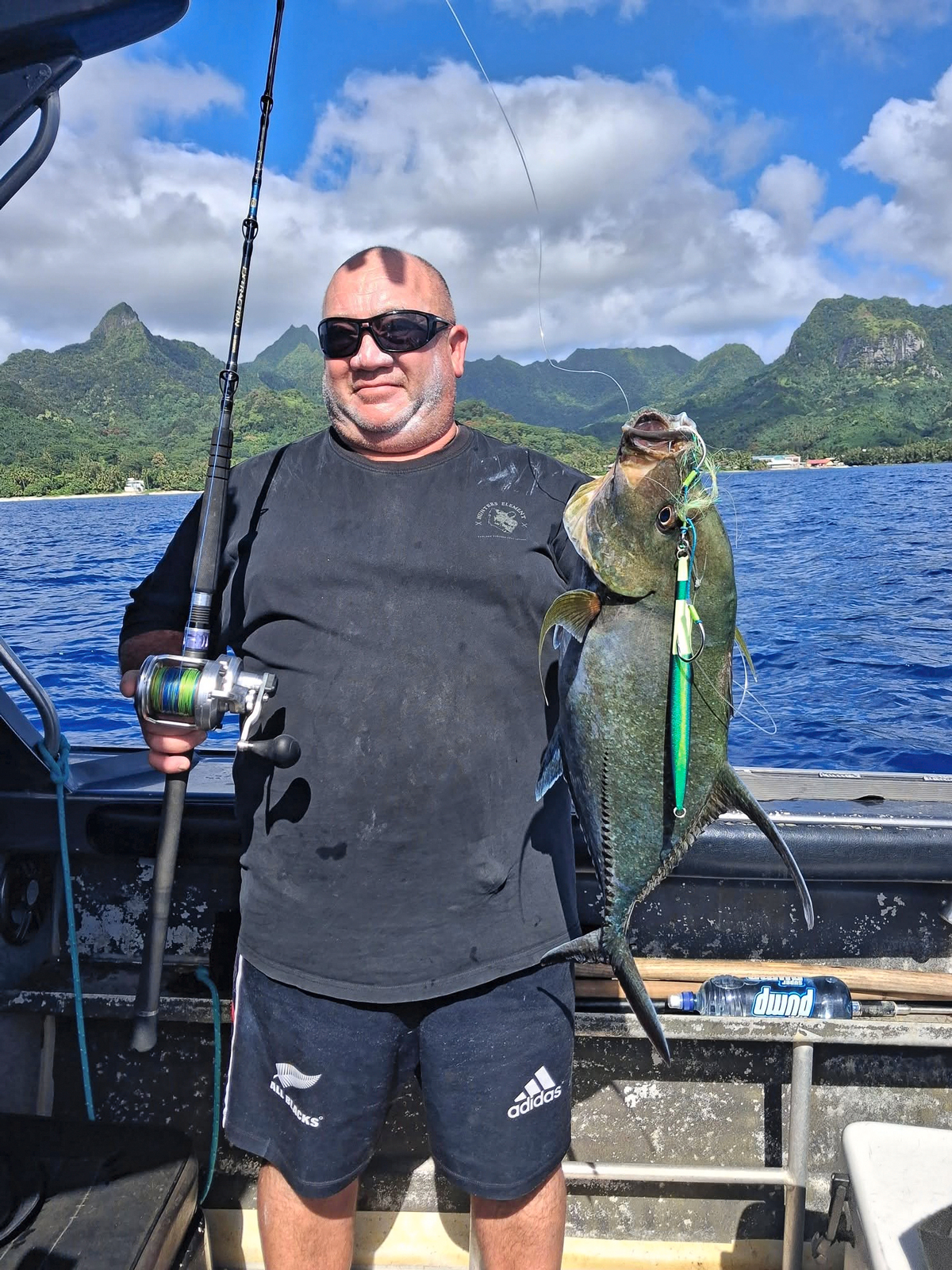
The crew says anglers don't need years of jigging experience to enjoy success.
"Modern jigging techniques are much easier to learn than many people think. We spend time teaching anglers the correct rhythm, how to work the jig and what to expect when they hook up. Even first-time jiggers have a genuine chance of landing a quality fish."
For Kiwi anglers considering their first dogtooth adventure, the advice is simple: come prepared for a physical style of fishing, trust your skipper and, if possible,
allow several days on the water to maximise your opportunities.
Into the Blue supplies premium jigging tackle, reels, jigs, terminal tackle and safety equipment, so visitors only need to bring suitable clothing, sunscreen, sunglasses and plenty of determination. Of course, those wanting to put their own gear to the test are more than welcome to bring it along.
For anglers chasing one of the toughest fish in the ocean, few experiences compare to hooking a powerful dogtooth tuna over Rarotonga's volcanic reefs. Whether you land one or simply experience that unforgettable first run, it's the kind of fishing adventure that stays with you long after you've returned home.