Central North Island sika management
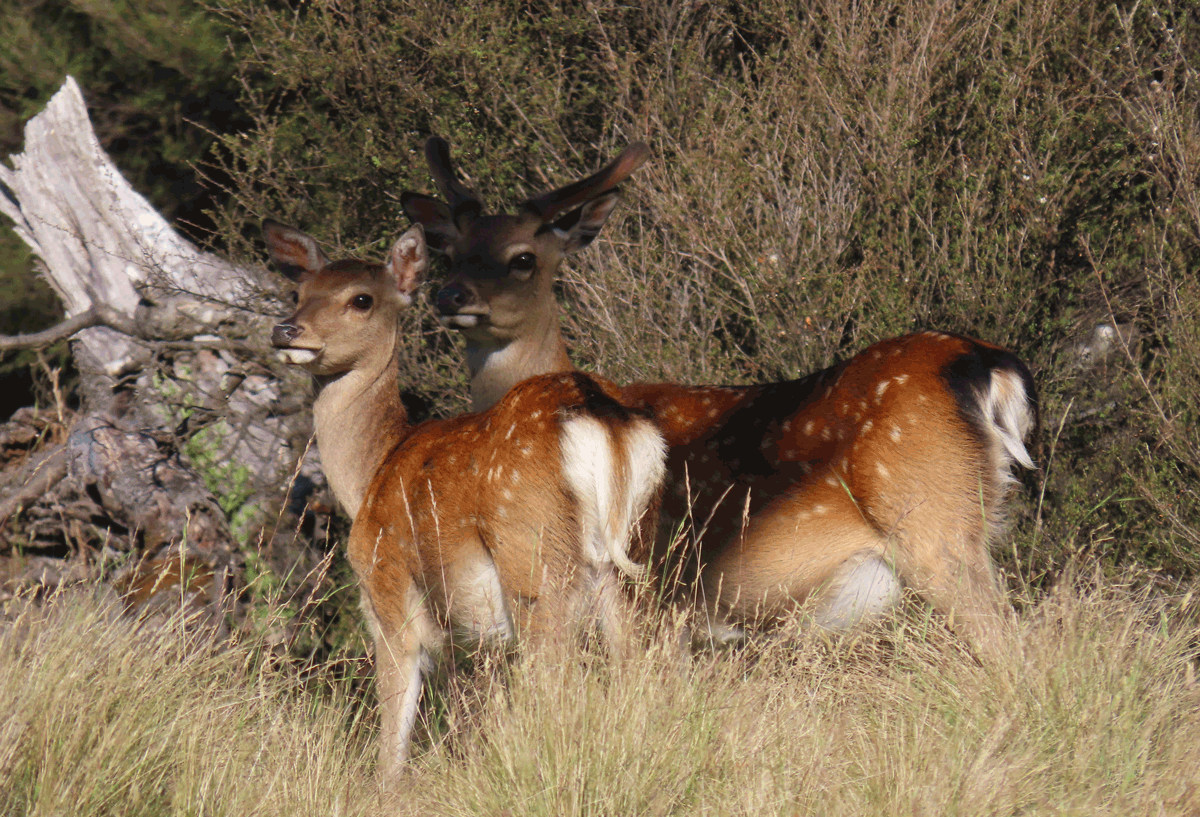
Two deer management operations are taking place this spring in the Sika HOSI area, with targeted aerial hind management in the Southern Kaimanawa and a recreational management hunt in the Kaweka. Both aim to improve sika herd health, protect native forests and support sustainable hunting opportunities. Read more about the operations and how hunters can get involved.
This spring, two deer management operations will be taking place in the Sika HOSI (Herd of Special Interest) area. This work will help put us on the path towards actively managing the Sika HOSI to improve hunting values while protecting the forest and grasslands they inhabit.
The Game Animal Council and Sika Foundation are coordinating targeted aerial hind management in the Southern Kaimanawa area, and a hind focused recreational management hunt in the Kaweka area.
Both initiatives contribute to the overall aim of the Sika HOSI - to support a healthy and sustainable sika herd, provide a high-quality recreational hunting opportunities, enable hunters to participate in management, and reduce pressure on the forest environment.
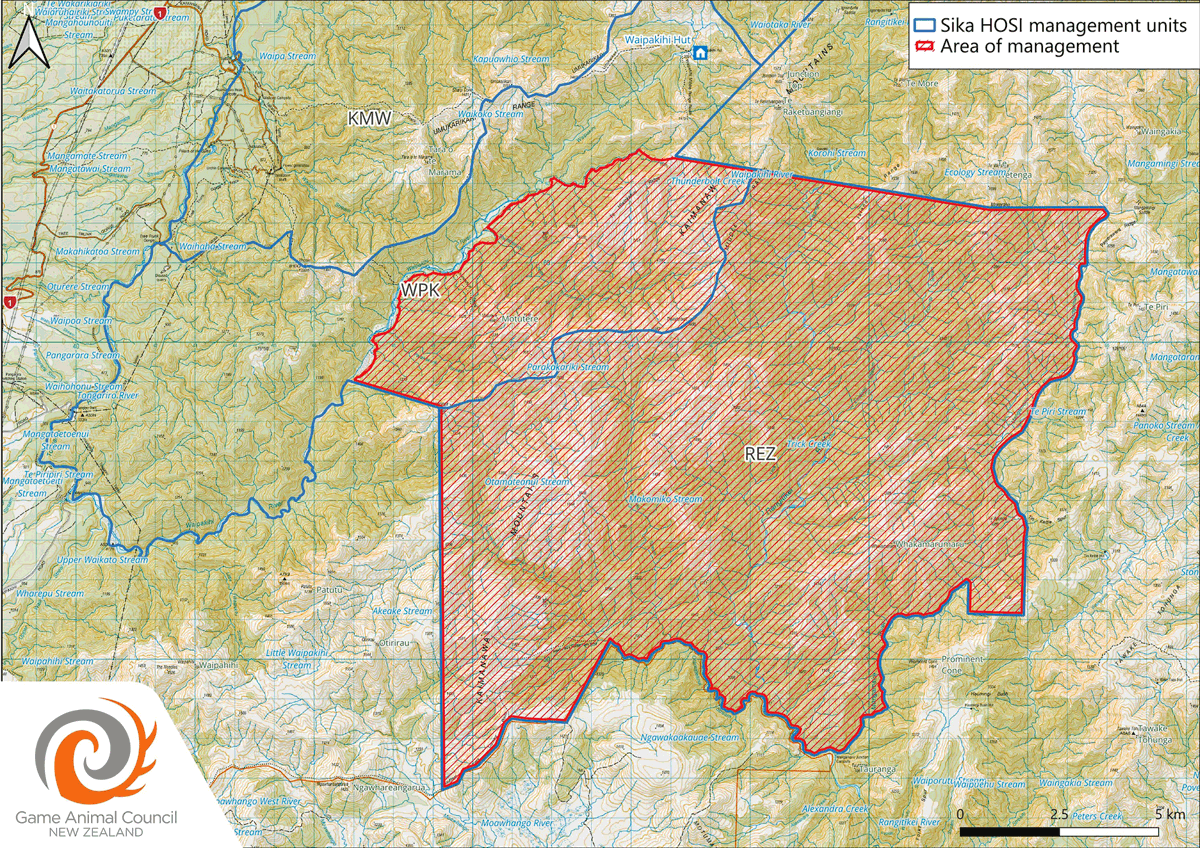
Southern Kaimanawa aerial management
First, to the Southern Kaimanawa, where professional contractors are carrying out thermal assisted aerial hind management in the Kaimanawa Remote Experience Zone from 20 October to 20 November, and then the true left of the Waipakihi River from 20 November to 6 December.
The aim of the operations is to reduce pressure on the forest environment, support a healthy, sustainable sika herd, and maintain a high-quality hunting experience. This is done by focusing on reducing female sika and their family groups to levels to allow canopy forest regeneration and improve the health of the herd.
Monitoring has shown mountain beech die back documented in the operational areas since 2019. Dieback is a natural process and not caused by deer, however it’s still important that we manage the herd to ensure that seedling growth is such
at levels where they can grow to replace the forest canopy.
Previous management in the Remote Experience Zone has already shown encouraging improvements in seedling growth. This operation will build on that progress and extend the work into the Waipakihi.
If you are wondering whether you can hunt or fish these areas during the operation – you can. Contractors will avoid huts, tracks, and fishable rivers, and will move elsewhere if people are encountered. If you’re heading into these areas, check the operational notice on the GAC website for maps and details, and feel free to share your trip intentions through Better Hunting or by emailing media@nzgac.org.nz so we can pass them on to the contractors.
Kaweka management hunt

Over on the Kaweka side of the Sika HOSI, recreational hunters are able to take part in the very first targeted management hunt since the HOSI was established.
Scheduled for 27-30 November, the hunt will focus on hinds at selected sites across the four Kaweka management units, combining herd management with information gathering. The initial goal is to collect at least 20 to 30 hind jaw samples from these priority sites.
These jaws can tell us a great deal, and their ongoing collection will be vital to the management of the HOSI going forward. Jaws can tell us the animal’s age and skeletal development, alongside further information provided by hunters on body condition and reproductive status. This helps us build a picture of how well the herd is doing.
Participating hunters will also record where animals were harvested, hunting effort, deer encounters and observations of native wildlife. Together, those details will help us further understand local conditions and build up a picture of the forest and support adaptive management of the herd.
Adaptive management in action
Strong relationships and coordinated action will be essential to the long-term success of the Sika HOSI.
We will be working closely with hunters, mana whenua and community to understand local insights and experiences to guide herd management.
Hunter feedback on herd health, hunter satisfaction and the overall hunting experience will be crucial to understanding changes over time and adjusting management in response to these changes.
If you’d like the latest Sika HOSI operational notices, reporting and updates into your email inbox, head to www.nzgac.org.nz/sika-hosi and sign up to the Sika HOSI email newsletter.
All the best, Corina