


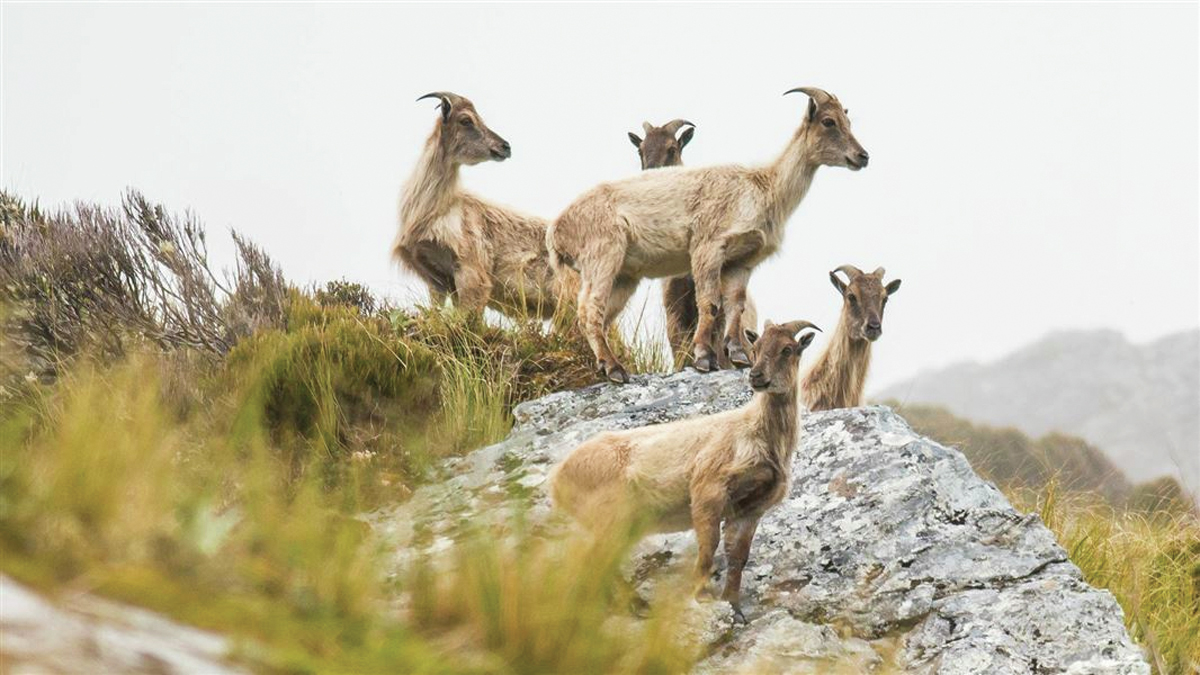
WHERE HAVE THE TAHR GONE?
Fewer tahr are being harvested from one of New Zealand’s most prized alpine hunting areas, with 310 animals taken during the 2026 Hooker-Landsborough ballot. As applications prepare to open for the 2027 ballot, the declining harvest raises questions about tahr numbers, hunting conditions and what hunters might find in the mountains next season.
Fewer tahr are being taken from one of New Zealand’s most prized alpine hunting areas, raising questions among hunters as applications prepare to open for the 2027 tahr ballot.
For many New Zealand hunters, Himalayan tahr represent one of the ultimate backcountry challenges. Found among the steep valleys and alpine country of the Southern Alps, a mature bull remains one of our most sought-after big-game animals.
But recent results from the West Coast’s ballot hunting programme have raised an obvious question: where have the tahr gone?
Figures from the Department of Conservation show hunters harvested 310 tahr across 79 approved hunting sites in the Hooker-Landsborough Wilderness Area during the 2026 ballot, continuing a decline in ballot harvests since 2023. Exactly why fewer animals are being taken remains unclear.
More than one explanation
A lower harvest doesn't necessarily mean the overall tahr population has fallen by the same amount. Weather, accessibility, hunting effort, animal distribution and hunter experience can all affect success.
However, tahr numbers have also been subject to ongoing management and control. DOC manages tahr under the Himalayan Thar Control Plan, which sets a maximum population of 10,000 animals across their legal feral range.
DOC says available information indicates overall tahr numbers are likely trending downward but remain above levels set under the control plan, meaning control operations are continuing.
The current programme focuses particularly on preventing tahr spreading outside their established range, reducing numbers within national parks and targeting areas where densities or impacts remain high.
For hunters, DOC says identifiable male tahr are not targeted over approximately 425,000 hectares of public conservation land within the feral range outside national parks.

Why tahr matter
Tahr management has long involved balancing protection of New Zealand's alpine environment with the animal's considerable value as a recreational and commercial hunting resource.
Tahr hunting attracts hunters from throughout New Zealand and overseas, supporting guides, helicopter operators and communities around the South Island high country.
That makes declining harvest figures worth watching.
2027 ballot opens in October
Hunters will soon have another opportunity to head into this spectacular country.
Applications for the 2027 Hooker-Landsborough and Adams Wilderness Area tahr ballot open on 8 October and close on 30 October 2026.
There are 28 designated landing sites, providing 252 hunting opportunities across nine weeks.
With another ballot approaching, attention will inevitably return to the mountains — and whether the downward trend in harvested animals continues.
For now, the figures raise an interesting question without providing a definitive answer.
Are there significantly fewer tahr in these ballot areas, or are changing conditions, distribution and hunting success contributing to the decline?
The 2027 season may provide another piece of the puzzle.
.jpg)
.jpg)


