Protecting Rakiura’s unique hunting resource
A hunt for Rakiura/Stewart Island white-tailed deer is considered one of New Zealand’s most iconic backcountry experiences. But recent Predator Free Rakiura aerial toxin operations have sparked concern among hunters and locals after monitoring showed a major drop in deer activity in treated areas. The Game Animal Council says hunters support conservation efforts but want to see predator control methods that also protect hunting values and involve the hunting community.

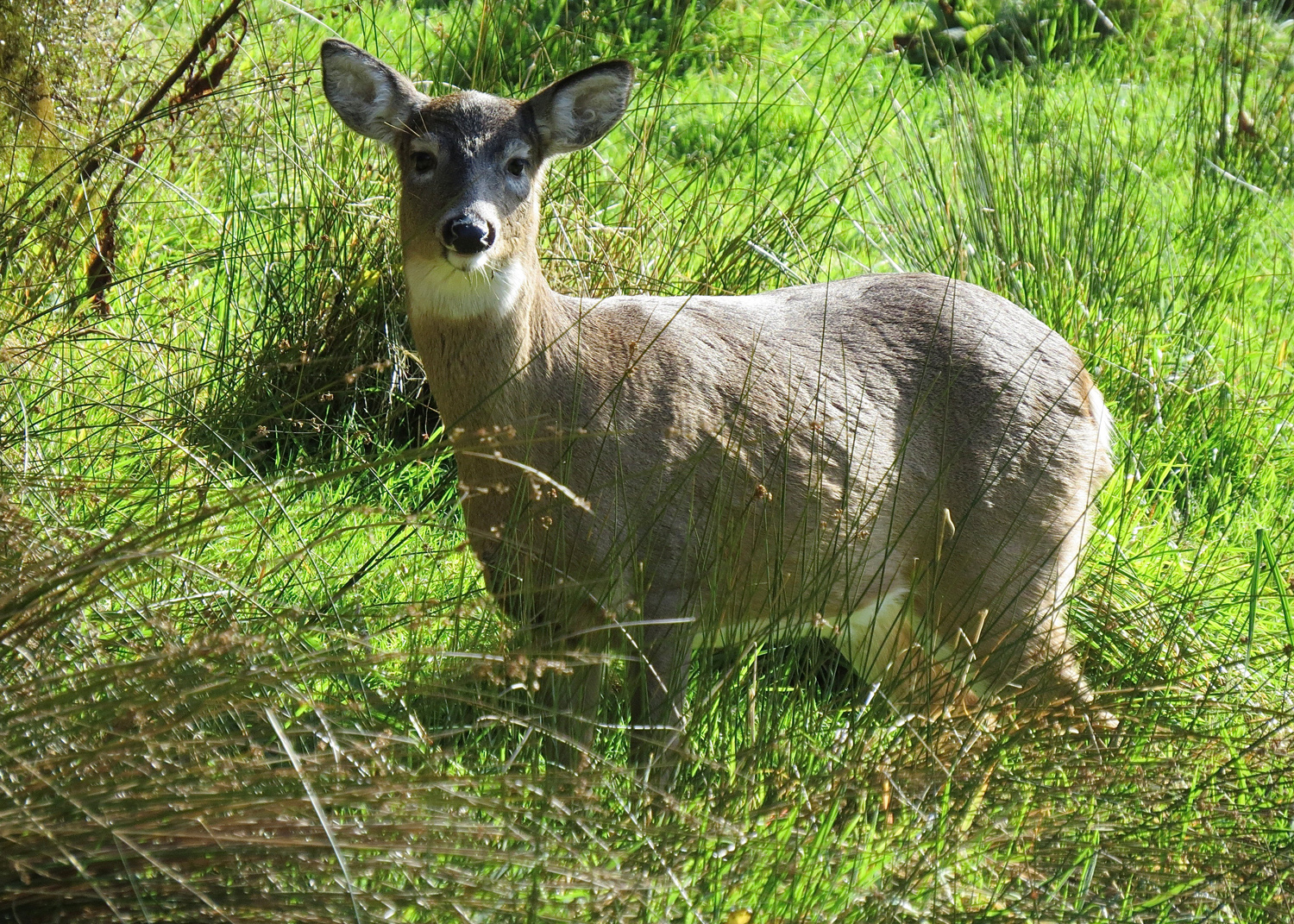
Few hunting experiences in New Zealand carry the same mystique as a trip to Rakiura/Stewart Island to pursue elusive white-tailed deer. Introduced in 1905, Rakiura white-tailed are one of only two huntable populations of the species in the South Pacific. It is a truly precious herd with its own unique characteristics, drawing 3,500 visiting hunters each year and helping to support the local community in the process.
Those who hunt Rakiura are incredibly passionate about native species on the island and contribute where they can. Feedback we received as part of a 2023 survey of hunters who visit Rakiura indicated a strong desire to see more done to control feral cats and possums.
This same survey illustrated just how much Rakiura white-tailed hunting means to people. 59% of respondents identified elements of the hunting as a key aspect of the experience, while others highlighted the opportunity to disconnect from everyday life and experience a remote wilderness setting unlike anywhere else in the country.
All this is why the results of last year’s aerial toxin operations undertaken as part of Predator Free Rakiura have caused deep concern among the hunting community and many local residents.
The operation, which covered over 43,000 hectares or a quarter of the island was undertaken to protect the pukunui/southern New Zealand dotterel and investigate the feasibility of possum, rat and feral cat eradication on the island. Results of monitoring recently released indicates a 97% decrease in deer activity where deer repellent was not applied to 1080 bait and a 75% decrease where repellent was used.
Hunters are committed to protecting conservation values but there remains concern around the use of toxic control agents and their impact on game animals and hunting. The Department of Conservation has advised that Rakiura predator control operations will be paused for the rest of the year while next steps are considered.
Our concern should not be seen as opposition to conservation. The Game Animal Council supports predator control that delivers genuine conservation benefits, engages the community, and continues to provide for all values, including hunting. The GAC is advocating for ongoing monitoring and the exploration of alternative and effective predator control methods that support hunter, recreation and community values. We also consider there to be opportunities to better integrate the island’s hunters into conservation efforts more formerly.