


El Niño is here – what could it mean for boaties and fishers this summer?
Changing winds, currents and water temperatures could influence both boating conditions and where the fish are this 2026–27 season.
A powerful El Niño is developing across the Pacific, and it could make the 2026–27 summer a very different one for North Island boaties and fishers.
After several years in which La Niña has played a major role in New Zealand's weather, the Pacific climate pattern has changed. El Niño conditions are now established and are expected to strengthen considerably as we head towards summer.
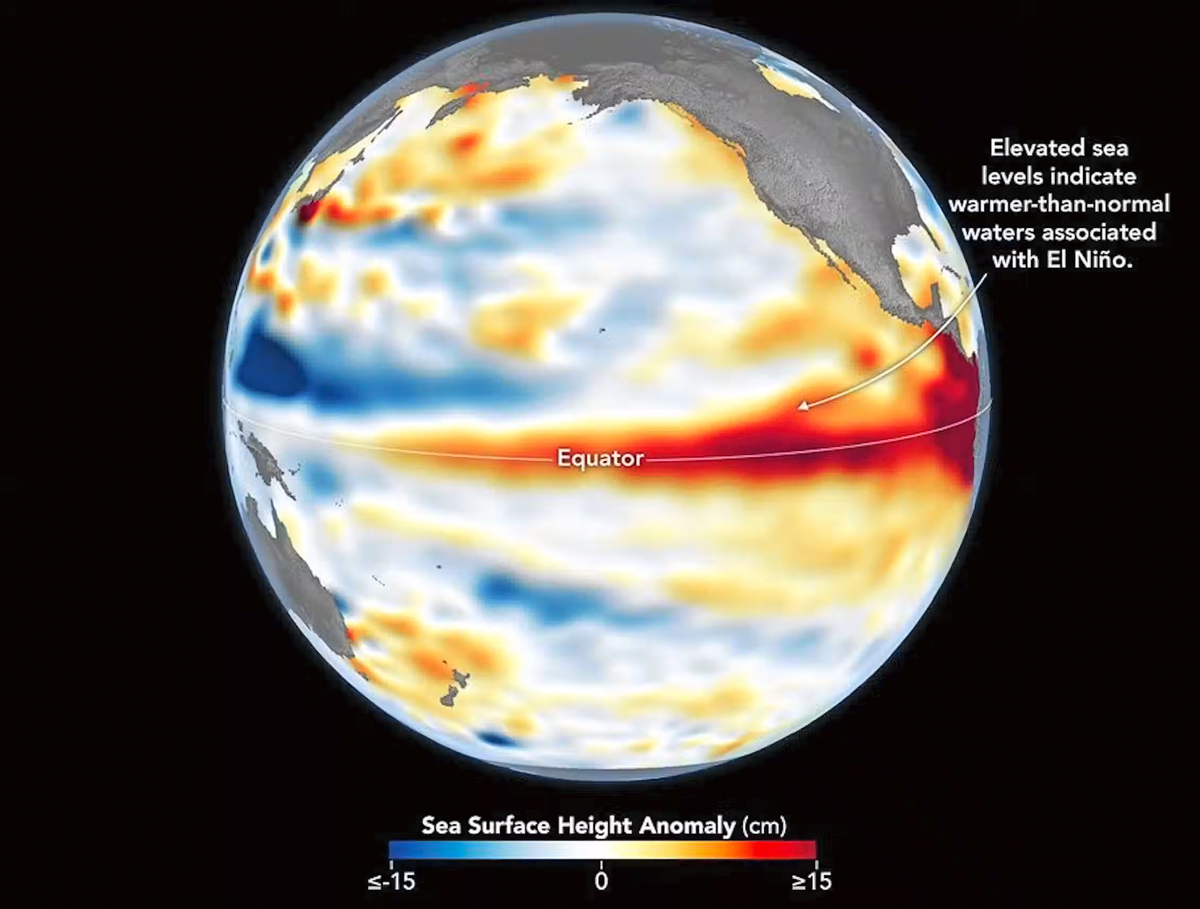
So what could that mean when you're deciding whether to launch the boat – and could changing ocean conditions affect where the fish are?
A Change in the Wind
El Niño generally brings New Zealand more frequent winds from the west and southwest. For boaties, that can make a considerable difference depending on which side of the North Island you're fishing. On parts of the East Coast, westerly winds blow offshore and can sometimes produce relatively sheltered conditions close to the coast. On the western side, the same weather pattern can result in rougher conditions.
That doesn't guarantee more fishing days on the east coast. Strong and persistent winds can also be a feature of El Niño, making detailed marine forecasts as important as ever.
What About the Water?
El Niño doesn't simply mean all of New Zealand's coastal waters suddenly become colder. Sea temperatures around the North Island are influenced by ocean currents, prevailing winds, upwelling and the movement of warm and cool water masses. Conditions can therefore vary considerably between Northland, Coromandel, Bay of Plenty, East Coast and the West Coast.
Offshore anglers may find it particularly useful this summer to watch sea-surface temperature charts, current boundaries and chlorophyll information.
What Could It Mean for Fishing?
For game-fishers, the approaching season could be particularly interesting. Marlin, tuna and other pelagic species are heavily influenced by water temperature, currents and concentrations of bait.
A strong El Niño doesn't automatically mean a good or bad game-fishing season. What could change is where the favourable water develops.
Anglers targeting marlin, yellowfin tuna and other pelagic species will be watching closely to see where warm currents and concentrations of bait establish themselves. It could be a season where doing your homework before leaving the ramp pays dividends.
Inshore anglers should also watch how the season develops. Changes in water temperature, currents and prevailing winds can influence baitfish movements and potentially where species such as snapper and kingfish concentrate. Spring and early summer should provide the first clues.

Watch the Conditions
A westerly pattern can produce very different boating conditions around the North Island. A wind that makes fishing unattractive on one coast may produce comparatively sheltered conditions elsewhere.
For trailer-boat owners with the ability to travel, being flexible about where you launch could provide opportunities.
El Niño gives us an indication of the broader climate pattern, but it can't tell us exactly what the wind will be doing at a particular ramp months in advance – or where the fish will be. What it does tell us is that this summer could be different from the last few.
Watch the forecasts, currents, sea temperatures and bait movements. And when the weather and water line up – make the most of it.

.jpg)
.jpg)


