Bottom trawling must go
LegaSea is calling for an end to bottom trawling, highlighting it as one of the most damaging fishing methods affecting New Zealand’s marine environment. Recent footage from the Hauraki Gulf has reignited public concern, with strong support growing for a transition to more selective, low-impact fishing methods.
What should have been a relaxing start to 2026, enjoying what our ocean has to offer, ended in a grim reminder of the damage caused by industrial fishing.
A video posted online by Wettie’s Darren Shields showing hundreds of lifeless snapper drifting in the Hauraki Gulf left a sour taste in many Kiwis’ mouths. These mass mortalities are no accident, they are likely a result of a bottom trawler dumping unwanted catch overboard.
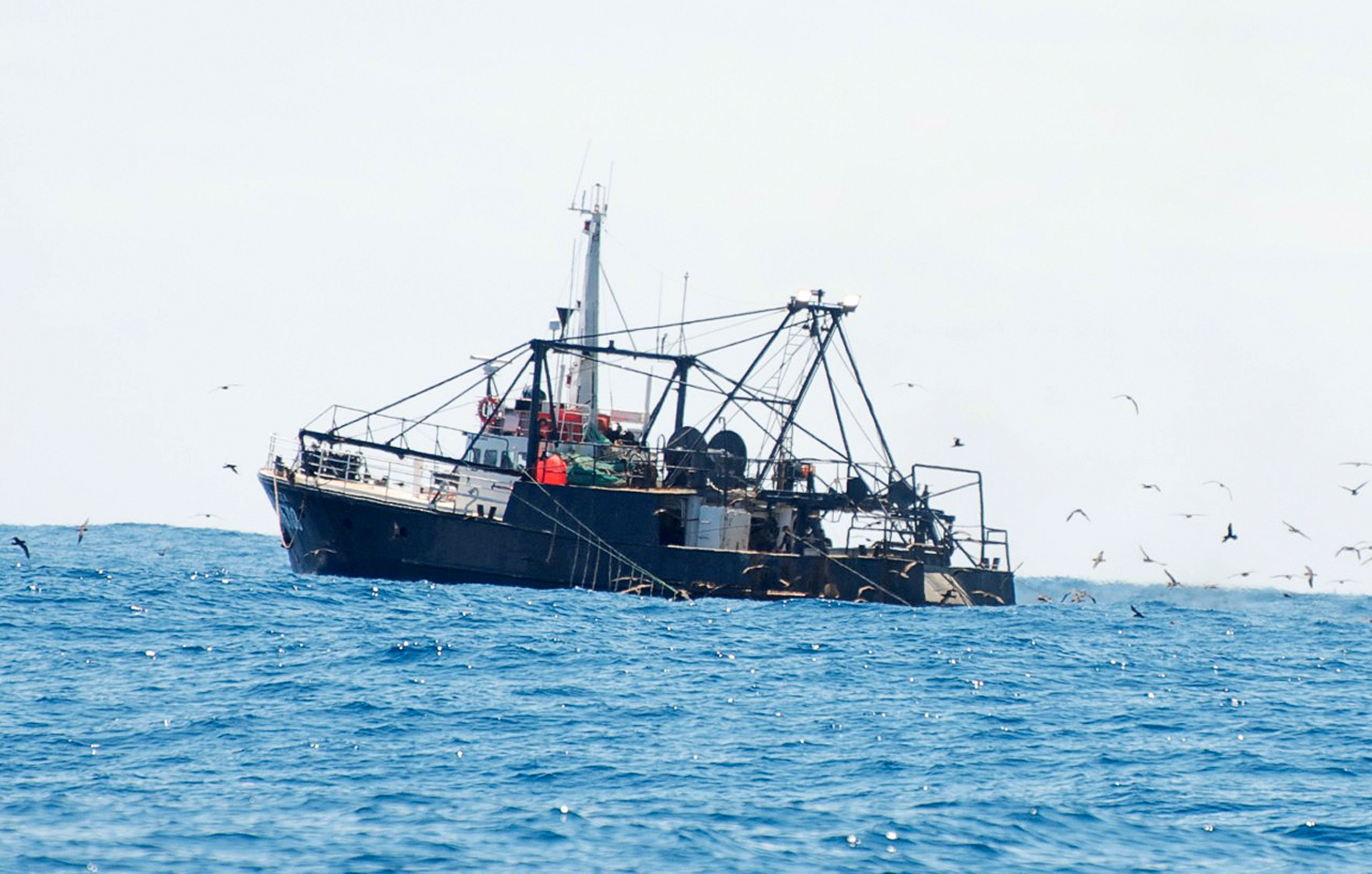
Bottom trawling is now recognised as one of the three highest ranking man-made threats to New Zealand marine habitats. Heavy weighted nets are dragged across the seafloor crushing marine life, destroying important habitats and creating sizable waste.
Despite this, bottom trawling remains the dominant way we commercially harvest fish. In the 2023–24 fishing year, 69 percent of all fish caught commercially in New Zealand were caught by trawlers.
The deep fried snapper, gurnard or John dory you enjoy from your local fish and chip shop was most likely caught by a trawler, unless stated otherwise.
Public opposition is strong. According to Horizon Research 84 percent of people living around the Hauraki Gulf want bottom trawling banned. Yet meaningful action from central government has failed to follow.
In response, communities have stepped up. The Waikato Regional Council recently decided to restrict bottom trawling, Danish seining and scallop dredging along parts of the east coast of the Coromandel.
Several commercial fishing entities have since appealed the Council's decision, delaying implementation of these restrictions.
LegaSea and the New Zealand Sport Fishing Council will continue to support the Waikato Regional Council’s decision and advocate for removing bottom trawling across the entirety of New Zealand’s coastline.
We say this not because we are anti-commercial fishing, but because we object to destructive fishing methods that jeopardise the health of our marine environment
Our moana is a precious place that gives so much to us. It deserves respect. Transitioning away from bottom trawling to more selective and less damaging fishing methods is in the best interests of the marine environment, the public, and the future of the commercial fishing industry. A 2023 poll found 75 percent of New Zealanders support the government developing a plan to transition away from bottom trawling in favour of more low-impact fishing methods. Long lining is more selective and less damaging to the environment.
The Swim 4 the Ocean project, supported by Live Ocean, is highlighting the damage from bottom trawling. Long distance swimmer Jono Ridler is swimming 1000 miles from North Cape to Wellington and expects to be off Coromandel in February, weather permitting.
Now is the opportunity for the government to support a transition away from bottom trawling because we cannot trawl our way to an abundant fishery. But are our politicians bold enough to take the necessary steps towards restoring abundance and biodiversity in our moana? Only if you speak up and tell them you want inshore trawling gone.
Subscribe to receive our LegaSea online newsletters to keep up to date with which political parties are willing to put the interests of a healthy fishery and the public before profits.